FEATURED RESOURCE
Will Self-Driving Trucks Replace Truck Drivers? What to Know Right Now
The headlines are loud. Here's a calm look at what driverless trucks can actually do today and what's still unproven.
- Routes & Equipment
- 4 min read
- November 4, 2026
If you're wondering whether self-driving trucks will replace truck drivers, you've probably heard both "next year" and "never." Neither is a full answer. A few things did change this month: FMCSA approved a five-year exemption for autonomous trucks, companies are talking big numbers, and the "driver shortage" line is back in the news. Here's what's actually on the road, what's still a promise, and what you can do now.
1. What's on the road today
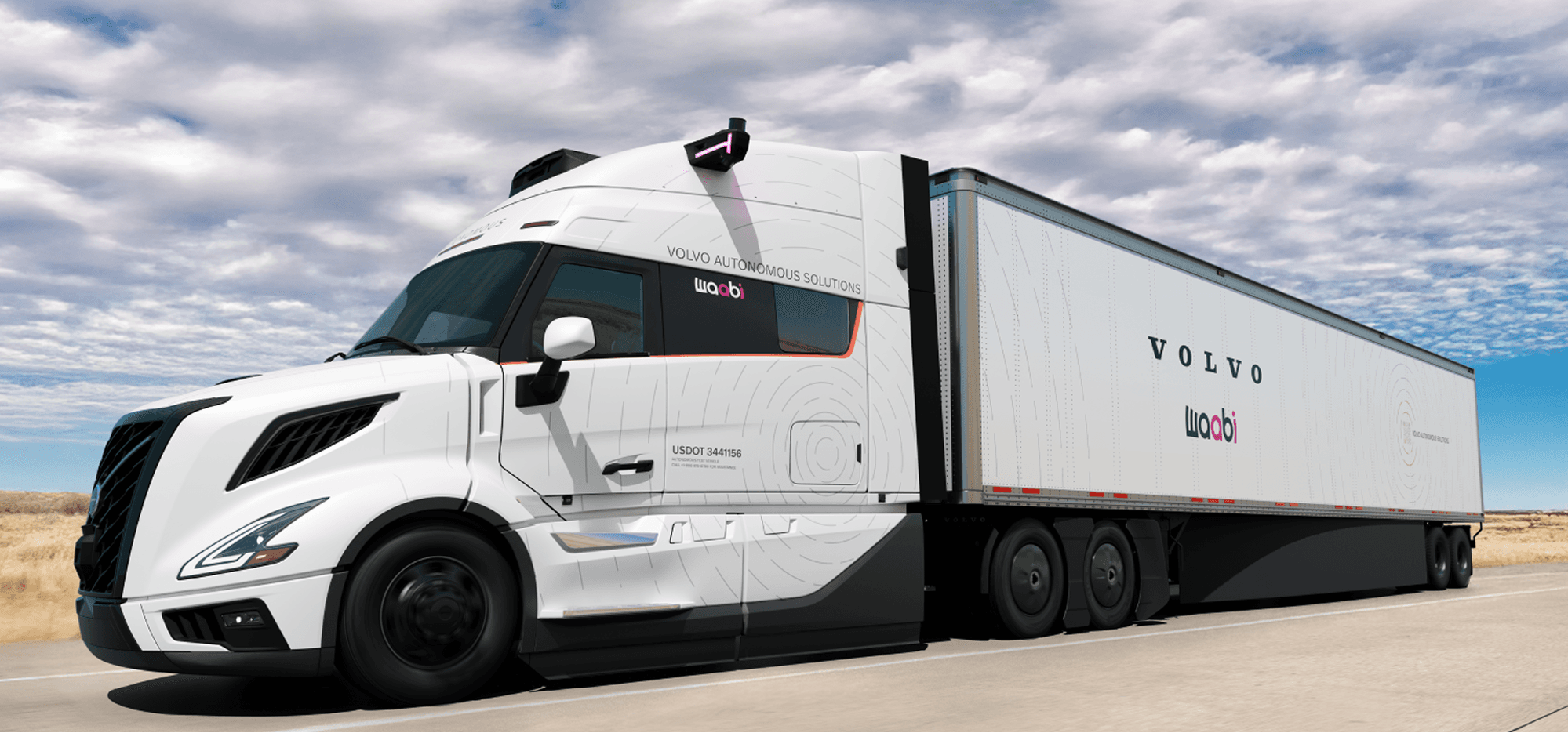
Aurora says it has about 200 self-driving trucks on Texas roads. Volvo plans 300 autonomous trucks, and Amazon, Pepsi and Walmart have run pilot programs. Kodiak and Charger launched a 435-mile autonomous lane in Texas, according to Trucking Dive.
That's real, but it's still a small slice of all the trucks on US roads. Most of this is happening on a few long, simple highway lanes, mainly in Texas.
So far the trucks run where the work is easiest for a computer: long interstate stretches with few surprises. The harder parts of a driver's day, like backing into a tight dock, dealing with a shipper, or finding parking at 9 p.m., are not what these trucks are being sold on.
2. What FMCSA just changed
On 09/10/26 FMCSA granted a five-year exemption that lets autonomous trucks use cab-mounted warning beacons instead of putting out warning triangles when they stop on the road. It replaces a string of short three-month waivers.
The exemption applies to trucks with Level 4 automated driving systems and comes with conditions. The beacons must turn on within five minutes of a stop, companies have to report crashes and file yearly reports, and hazmat and passenger vehicles are excluded. It matters because a driverless truck can't step out and set triangles. Without a rule change, that one job was a roadblock to running without anyone on board.
The exemption also followed a court fight. A court denied a request to put an immediate hold on the FMCSA waiver for Aurora and other autonomous truck companies, and FMCSA then extended it for five years. It relies on data from earlier short-term waivers, including about 500,000 miles of operations.
3. Big promises, big question marks
Aurora estimates about 30,000 autonomous trucks by 2030. Elon Musk says Tesla's Nevada factory is meant to build 50,000 Semis a year and that self-driving will come to them by the end of this year or early next. Overdrive notes that he has a history of missed timelines.
Those are company targets, not facts. Aurora's number is its own estimate, and Tesla's plant capacity says what it could build, not what will be on the road next year. Weather, construction zones, city streets, loading docks and unusual situations are still tough, and nobody can say yet how fast the trucks will spread.
4. What drivers are saying
In ATRI's latest survey, autonomous trucks were the No. 3 concern for company drivers. They didn't make the top 5 for owner-operators. That tells you how it feels on the ground. Some drivers are worried, while others think it's years away.
Some drivers have gone to Congress to argue that autonomous trucks should have a human on board. That fight is still going. If you want to follow it, Land Line and Overdrive both cover it regularly.
5. Shortage or not?
Big carriers are talking about a driver shortage again. ATRI says it's back in their top concerns. Overdrive's take is that the shortage line is now being used to make the case for driverless trucks.
Whatever you think of that, you can see two things happening at the same time. Carriers say it's hard to find quality drivers, and companies are spending big on trucks that don't need one. Those two don't cancel out.
6. What you can do now
The government's national strategy for autonomous vehicles expects conventional, manually driven vehicles to keep running alongside the new ones. So no one is switching off human drivers tomorrow.
Keep your record clean and your CDL and med card current. Learn the safety tech in your cab. If you run fixed lanes on long-haul interstate in Texas, keep an eye on that corner of the industry. And when you talk to a carrier, ask where they stand on autonomous trucks.
Conclusion
Driverless trucks are real, and they're growing, but "replace every driver" is a long way from where things are today. The smart move is to stay informed, keep your skills and your record sharp, and pick a carrier that's honest with you about what's ahead.
Ready to Get Matched With the Right Job?
It’s free, and it only takes a few minutes. Tell us what you’re looking for and we’ll find trucking companies that want a driver like you.