FEATURED RESOURCE
Truck GPS vs. Phone GPS: How to Avoid Low Bridges
Police in Indianapolis are fed up with bridge strikes, and New Jersey is talking about requiring truck GPS. Here's how to keep your trailer off the news.
- Driver Insights
- 4 min read
- October 20, 2026
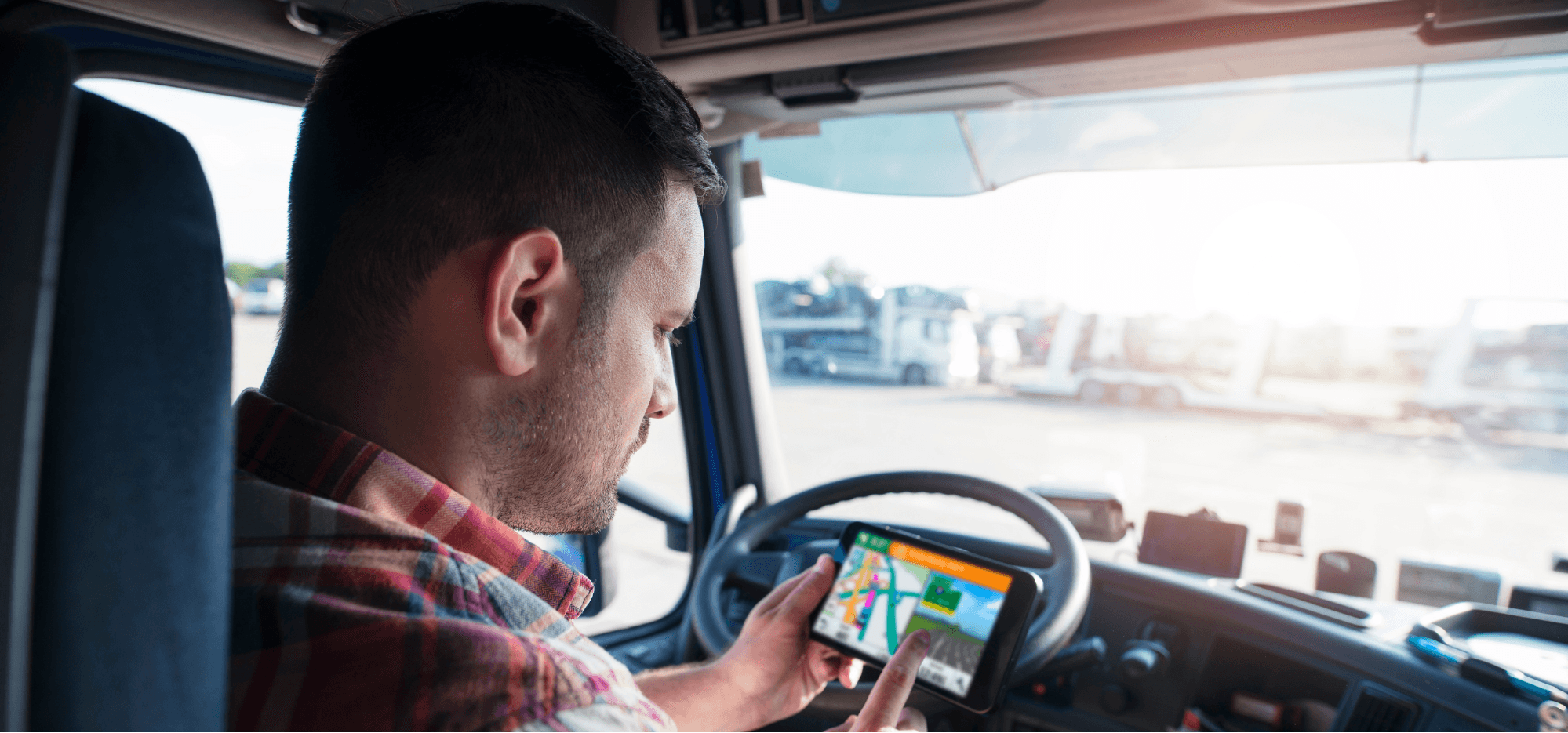
Every driver has seen the video. A trailer wedged under a bridge, traffic backed up for blocks, and a tow truck on the way. It's expensive, it's embarrassing, and it can end a job. If you're wondering how to avoid low bridges in a truck, the short answer is: don't trust a regular car map and know your real height. That's what police in Indianapolis are telling drivers this week after more trucks hit a low railroad bridge downtown. In this post: what's going on in Indianapolis and New Jersey, why truck GPS matters, and a simple way to plan a route so you don't end up on the news.
1. What happened in Indianapolis
Indianapolis police say they keep getting called to the same spot: a low railroad bridge at 300 S. Meridian Street, clearance 12 feet 4 inches. When a truck hits it, traffic stops, commuters and visitors get stuck, and officers and city crews get pulled away from other work.
Police also say the strikes damage city property. Their ask to drivers and carriers is simple: use truck-specific navigation apps so you're not sent down roads that aren't made for commercial vehicles.
2. What New Jersey is considering
New Jersey has four truck bills pending, and none has become law yet. The one that stands out is A1182. It would require trucks weighing 26,001 pounds or more to use a truck-specific GPS program on state highways, one that warns about low bridges, low overpasses and weight limits and routes by truck height and weight. Enforcement would start 180 days after it becomes law, and the Motor Vehicle Commission would write the details.
Other bills would require clearer truck-route signs with delivery exceptions, study whether to lower highway weight limits, and set up weigh-in-motion scales near bridges in poor condition. The article doesn't list fine amounts. These are proposals, not rules, but they show where some lawmakers are headed.
3. Why a regular phone map can burn you
A regular map app is built for cars. It's looking for the fastest or shortest way, and it doesn't know you're carrying a tall trailer. A truck-specific app builds the route around your height, weight and length, and warns you about low clearances and restricted roads.
That's the difference police are pointing to. It's not about being a bad driver. It's about having the right information before you're committed to the turn.
4. Know your real height
Truck GPS is only as good as the numbers you put in. If you've got a different trailer, a load that sits high, or equipment on the roof, your height may not be what's printed on the door. Measure it, write it where you can see it, and update the app when anything changes.
If you're not sure, ask your dispatcher or safety department. It's a two-minute question that can save a very bad day.
5. Plan the route before you roll
Look at the last few miles, not just the highway. A lot of strikes happen in the final stretch to a shipper or receiver, in a downtown or an older neighborhood. Take a minute to check the route, look at the satellite view, and call the receiver if you're unsure about the approach.
Watch for posted clearance signs and truck route signs, and keep in mind that your GPS can miss something. If you're not sure you'll clear it, stop in a safe place and call dispatch. Never take the chance.
6. What's still unclear
New Jersey's bills are still in committee, so nobody knows if or when a GPS rule will pass, or how it would be enforced day to day. The reports don't give fine amounts or bridge-strike numbers. For your own case, check with your carrier and the state where you run.
Wrap-up
Low bridges aren't new, but the pressure on drivers and carriers to avoid them is growing. A truck-specific GPS, the right height in the system and a quick look at the final miles will keep you out of most trouble.
And if you're looking for a carrier that gives you good equipment, good dispatch support and clear info on your routes, that's worth asking about up front.
Ready to Get Matched With the Right Job?
It’s free, and it only takes a few minutes. Tell us what you’re looking for and we’ll find trucking companies that want a driver like you.