FEATURED RESOURCE
Is Shrink Wrap Enough to Secure Your Load? What CHP Just Warned Drivers About
Wrapping a pallet does not turn it into one solid block. Here is what CHP found and how to check your own load.
- CDL & Compliance
- 4 min read
- November 13, 2026
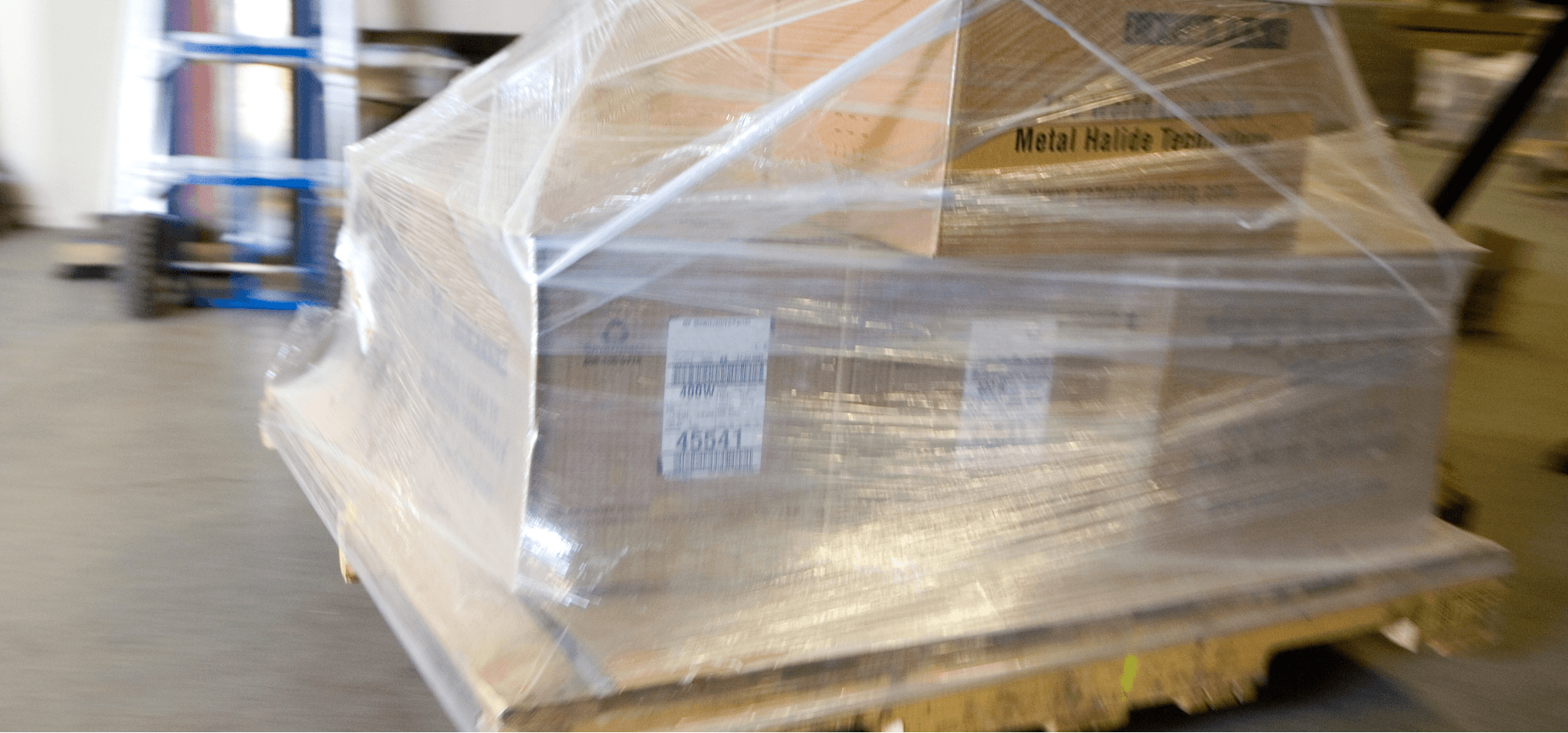
Is shrink wrap enough to secure cargo on a truck? Not by itself, according to a warning California Highway Patrol put out this month. An officer in Banning noticed a 100-pound bag hanging out of a wrapped load, looked closer, and found several bags missing. The truck went out of service until the load was fixed. If you haul palletized or bagged freight, here is what happened, what the rule says, and a simple way to check a wrap before it costs you time on the road.
What CHP found
An officer at the Desert Hills commercial vehicle enforcement facility in Banning, California, off I-10, spotted a problem on a truck hauling bagged barite. A 100-pound bag had slid partly out of the wrapped section of the load and looked like it was about to fall off the trailer.
A closer look turned up several bags missing. The truck was placed out of service until the load was properly secured. CHP posted about it on 21/10/26, and CDLLife covered it on 26/10/26.
The report doesn't mention a crash or an injury, and it doesn't say where the missing bags ended up. Still, a 100-pound bag coming off a trailer at highway speed is not something anyone wants to be near.
What the rule says
CHP pointed to 49 CFR 393.100(b). In plain words, that part of the federal rules says cargo has to be secured so it can't fall off a commercial vehicle. If it can come off the truck, it isn't secured.
CHP's message to drivers was about wrap. Shrink wrap or stretch film can be used to hold cargo together as one unit, but only if the individual items stay secured inside the wrapping. Wrapping a load doesn't automatically make everything inside a single, solid piece.
This is a news summary, not legal advice. Cargo securement has more rules than that one line. For your own load, check FMCSA's cargo securement rules, your carrier's policy and what your shipper requires.
Why wrap can fool you
A tight, shiny wrap looks solid. It looked fine when the forklift set it down, and it looks fine when you walk past it. But wrap is thin film. What's inside can still settle, lean or work its way out over miles of bumps, curves and braking, and soft bags don't hold a shape the way square boxes do.
To be clear, the reports don't explain exactly how that bag worked loose, so that part is common-sense thinking, not what investigators found.
You probably didn't wrap it, and you may not have been there when it was loaded. That doesn't change who is behind the wheel when an officer pulls the truck aside. The truck sits, the load is late, and it's your name on the inspection.
How to check a wrapped load
None of this comes from the CHP post. These are habits that make sense for any wrapped or bagged freight:
Walk around the load before you sign. Look for anything sticking out, leaning, bulging or sitting loose, and for wrap that is torn or sagging.
Look at the corners and edges of each stack. That's where bags and boxes are most likely to slip.
Ask the shipper how it was loaded and whether it is strapped or banded as well as wrapped.
Look at it again soon after you start rolling, then again at fuel stops and breaks. Don't wait for a scale house to find a problem.
If the load is on an open trailer, check it from the ground and from the side, not just from the dock.
If something looks wrong
Don't roll with it. Tell the shipper and dispatch before you leave, and ask for it to be re-stacked, re-wrapped or strapped. A shipper saying "it'll hold" doesn't help you at the scale house.
Take a photo of the load as you got it, and another after any fix, and write down who you talked to. If you find bags or boxes missing on the road, pull over somewhere safe and call dispatch right away so they can tell you what the carrier wants.
If you're an owner-operator, the call is yours, but the same photos and notes protect you.
What we still don't know
The reports don't say what, if anything, was used besides wrap to hold the bags, who loaded the truck, or whether the driver got a fine. They also don't say how often this kind of stop happens.
So don't read this as a new rule. It's CHP reminding drivers of an old one, with a very clear example.
Wrap-up:
Nobody wants to be the truck in a CHP post. The lesson is simple: wrap is a way to keep a load tidy, not proof that it's secure. Take a couple of extra minutes to walk around it, ask questions at the dock and look again once you're moving. It's a lot cheaper than an out-of-service order.
Ready to Get Matched With the Right Job?
It’s free, and it only takes a few minutes. Tell us what you’re looking for and we’ll find trucking companies that want a driver like you.