FEATURED RESOURCE
How to Choose a Truck Driving School (and What It Really Costs)
- Pay & Careers
- 3 min read
- October 30, 2026
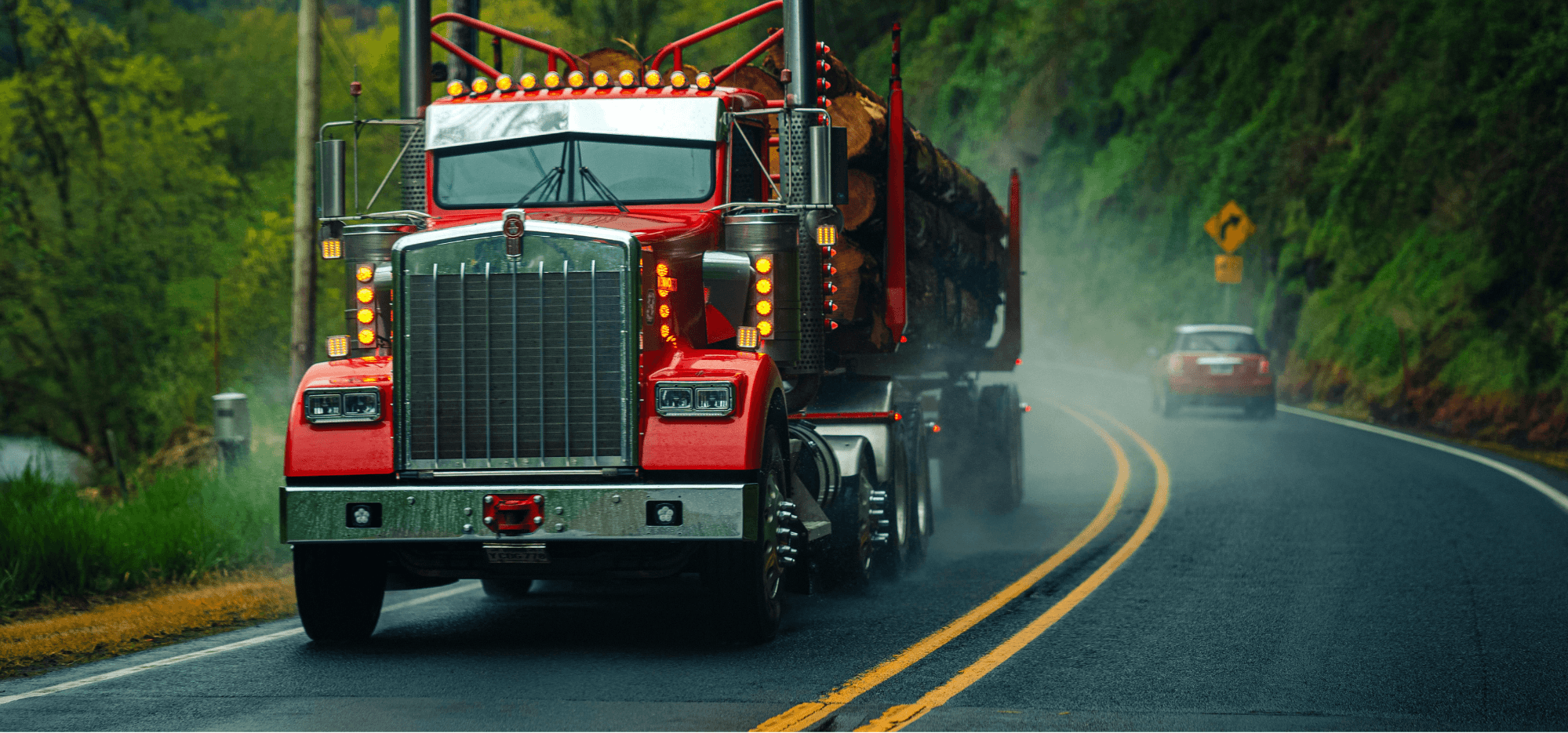
The school you choose shapes more than your skills. It affects how much debt you carry, how quickly you start earning and whether you are free to pick your first employer. Here is how the three main paths compare.
The three ways to get trained
Most new drivers train through a private truck driving school, a community or technical college, or a training program run or paid for by a trucking company.
Path | Typical tuition | Typical length | Main trade-off |
|---|---|---|---|
Private CDL school | about 3,000–8,000 | 3–6 weeks | Fast, but you pay up front |
Community or technical college | often 1,500–5,000 | Several weeks to a few months | Cheaper and may qualify for financial aid, but slower and may have waitlists |
Company-sponsored program | Little or nothing up front | Varies by company | You usually commit to drive for that company, often about a year |
Tuition is not the whole bill
Budget for the costs around school, too. One community college lists separate fees for the learner's permit, DOT physical, driving record and drug screen, each roughly $6 to $50.
The bigger hidden cost is time without income. Living expenses during training, and the weeks before your first full paycheck, can rival the tuition itself.
Ways to lower the cost
Community college programs may qualify for federal student aid, which private schools often do not. Veterans may be able to use GI Bill benefits.
State workforce programs may also help pay for CDL training; ask your local American Job Center. Some carriers reimburse tuition for graduates of outside schools, paid out over time while you stay employed.
Red flags when comparing schools
The school is not listed on FMCSA's Training Provider Registry for your license class.
They promise a guaranteed job but cannot name the employers or show placement numbers.
They push you to pay a non-refundable deposit before you see the truck and range.
Students share one truck between many people, so little real driving time is included.
A middleman who is neither the school nor a carrier asks for money to "guarantee" placement. These deposit scams still circulate on social media.
Questions to ask on a school visit
How many hours will I personally spend behind the wheel?
How many students per truck and per instructor?
Do you train in manual or automatic trucks?
What is your first-attempt pass rate on the skills test?
Which carriers hire your graduates, and do they hire drivers from my area?
What is refunded if I cannot finish?
Private school or company program: which is better?
Paying your own way costs more up front but leaves you free to choose your first employer. Company programs remove the upfront cost but tie you to one carrier for a set period. Neither is right for everyone; it depends on your savings, your location and how sure you are about the type of driving you want.
Key Takeaways
Expect private Class A tuition of roughly 3,000–8,000, with community colleges often cheaper.
Add fees, travel and living costs to the tuition figure.
Look into federal student aid, GI Bill, workforce funding and tuition reimbursement.
Confirm the school is on FMCSA's Training Provider Registry.
Avoid anyone selling "guaranteed job" deposits.
Tuition figures are typical ranges reported in 2026 and vary by state and school. Ask each school for a written cost breakdown.
Ready to Get Matched With the Right Job?
It’s free, and it only takes a few minutes. Tell us what you’re looking for and we’ll find trucking companies that want a driver like you.