FEATURED RESOURCE
How to Avoid Brake Failure Going Downhill in a Semi
Brakes are getting a lot of attention this month. Here's what happened, what inspectors are doing, and the habits that keep you in control on a hill.
- Routes & Equipment
- 4 min read
- October 23, 2026
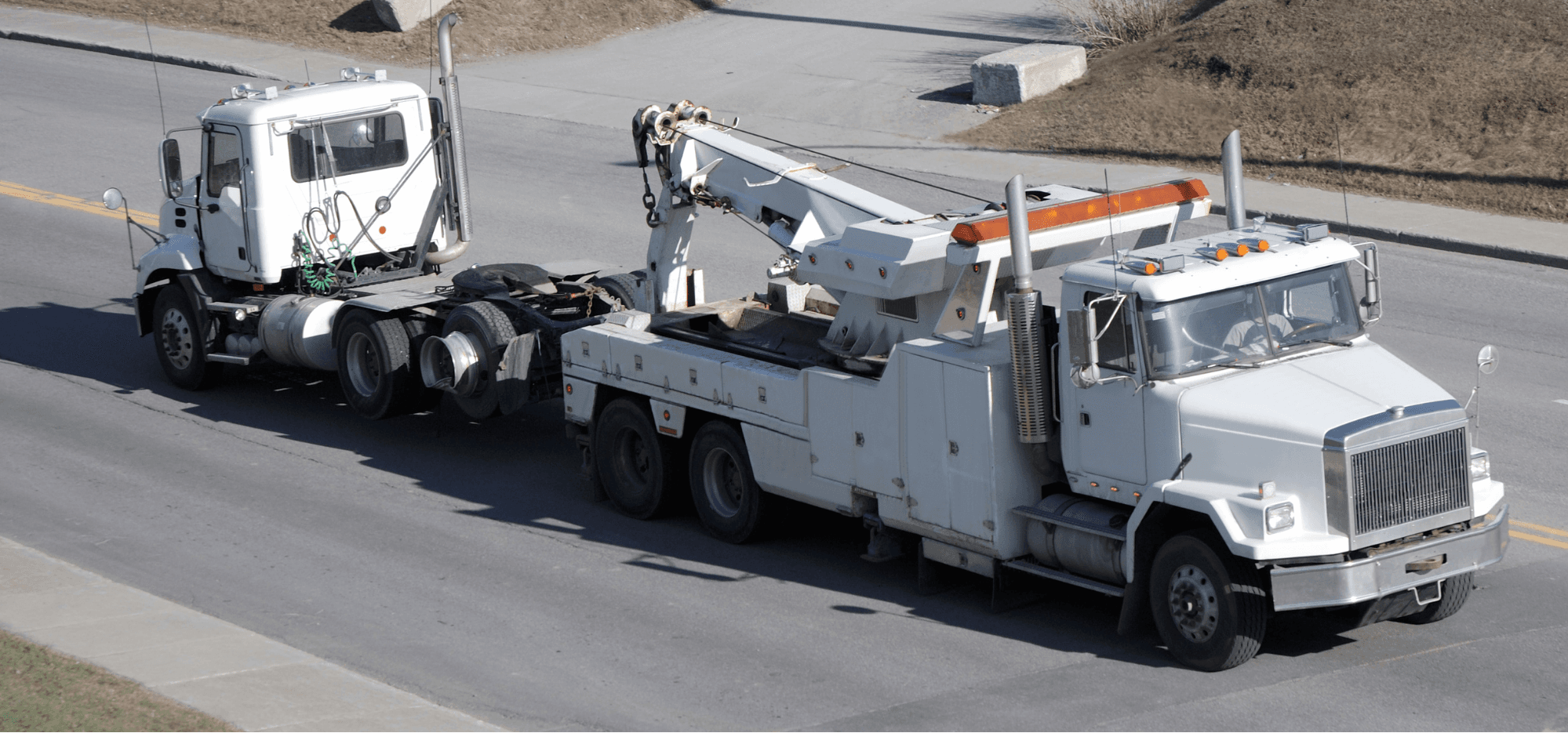
On Monday, a semi lost its brakes coming down a steep grade in El Paso and plowed through traffic. One person died. The next day, police started pulling commercial trucks for inspection on that same road, with no end date. If you've ever wondered how to avoid brake failure going downhill in a semi, this is a good week to think it through. Here's what happened, why inspectors are focused on brakes right now, and the simple habits that keep you in control on a long downgrade.
1. What happened in El Paso
The crash happened on the Transmountain grade near Loop 375 in El Paso. City leaders say the truck's brakes failed. It ran through an intersection and hit several vehicles, and the driver of one pickup was killed. Another driver was seriously injured. The crash is still under investigation.
On Tuesday, El Paso police launched an inspection push they're calling "Enough is Enough." Commercial vehicles heading up Transmountain Road are being checked, and the police chief says it will keep going until the city finds a long-term fix for heavy trucks on that road. The mayor has also talked about limiting heavy truck traffic there. A runaway truck ramp was opened on that stretch earlier this year, but it hasn't been used yet.
2. Inspections are picking up everywhere
El Paso isn't the only place you'll see more roadside checks. FreightWaves rounded up several October safety blitzes. In Arizona, an operation on I-40 near Flagstaff took 110 unsafe vehicles and drivers off the road. California, North Dakota and Kentucky ran their own operations, and each one turned up hundreds of violations.
One Arizona stop shows how bad it can get. Troopers found a truck with a cut air line and every trailer brake not working. The driver and the trailer were put out of service on the spot.
3. Why brakes give out on long grades
Most brake trouble on a hill doesn't come out of nowhere. Riding the brakes all the way down heats them up, and hot brakes stop working as well. That's called brake fade. Brakes that are out of adjustment, leaking air lines or worn parts make it worse, because the brakes that still work have to carry the whole load.
That's why a truck can feel fine on flat ground and still get into trouble halfway down a long grade.
4. Habits that keep you in control downhill
These are the basics from CDL school, and they still work:
Slow down before you start down, not after you pick up speed.
Pick a lower gear at the top. A common rule of thumb is the gear you'd use to climb that hill.
Use your engine brake where it's allowed, so the brakes aren't doing all the work.
Brake in firm, short applications to bring your speed down a bit, then let off. Don't hold the pedal the whole way down.
Know where the runaway ramps are on your route before you need one.
Plan the route, too. Steep grades, tight turns and low bridges are all easier to deal with when they're not a surprise.
5. Get your truck ready for an inspection
A good pre-trip is your best defense, both on the hill and at a blitz. Look at your air lines and glad hands for cuts or leaks. Check that the brakes are adjusted and that you're not losing air. Walk around for lights, tires and mud flaps. And make sure your logs are right. In one Arizona stop, a false sleeper-berth entry and an invalid CDL put a driver out of service, along with the equipment problems.
If something's wrong, write it on your inspection report and tell your shop or dispatch before you roll.
6. When your brakes don't feel right
If the pedal feels soft, the truck pulls, or you smell hot brakes, pull over somewhere safe and let them cool. Don't let anyone talk you into running a grade on brakes you don't trust. A late load is a much smaller problem than what happened in El Paso.
Wrap-up
Nobody wants to be the truck in the news. Most brake failures on hills come down to heat, equipment and speed, and you control a lot of that with a solid pre-trip, the right gear and a steady speed. Expect more inspections this fall. If your truck is in good shape and your logs are clean, a blitz is just a short stop.
If your carrier keeps pushing you out in equipment you don't trust, it might be time to look around.
Ready to Get Matched With the Right Job?
It’s free, and it only takes a few minutes. Tell us what you’re looking for and we’ll find trucking companies that want a driver like you.