FEATURED RESOURCE
DOT Physical, Drug Testing, and the Clearinghouse
- CDL & Compliance
- 3 min read
- November 14, 2026
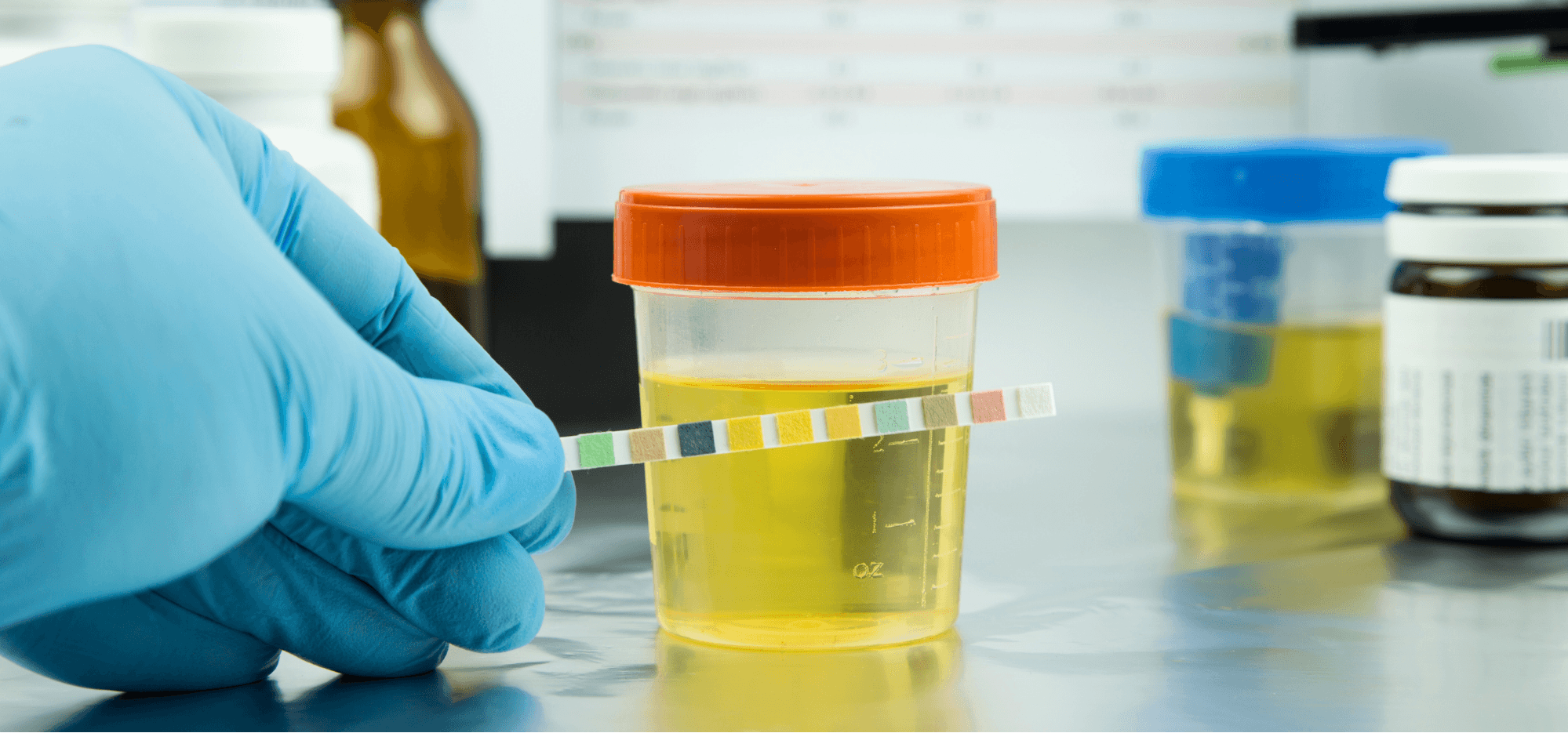
A CDL is only half of what keeps you on the road. You also need a valid medical certificate and a clean drug and alcohol record. Both are checked by employers and at roadside inspections, and both can stop a career quickly if ignored.
The DOT physical
Commercial drivers must pass a physical exam at least every two years. The exam must be done by a medical examiner listed on FMCSA's National Registry, not just any doctor.
Finding an examiner is not hard. In August 2024, the National Registry listed 55,357 certified medical examiners.
What the exam checks
Area | Federal standard |
Vision | At least 20/40 in each eye, a 70-degree field of vision, and the ability to tell traffic light colors apart |
Hearing | Hear a forced whisper at 5 feet in one ear, with or without a hearing aid |
Blood pressure | Higher readings can shorten your certificate or delay certification |
Overall health | Conditions such as epilepsy may disqualify you |
How long your medical card lasts
A medical certificate is valid for up to 24 months. If you have a condition that needs monitoring, such as high blood pressure, the examiner can issue it for a shorter period.
Blood pressure is the most common reason for a shorter card. Readings of 140/90 to 159/99 typically mean a one-year card, and 160/100 or higher can mean a one-time three-month card or no certification until it is controlled.
Do not let your card lapse. Driving without a valid medical certificate was among the most common driver violations at roadside inspections in 2023, cited more than 42,000 times.
Drug and alcohol testing
CDL drivers are subject to drug and alcohol testing, including random tests. A conviction for driving under the influence can lead to a CDL suspension.
Expect a pre-employment drug test before your first job, random tests during employment, and tests after certain crashes or when a supervisor has reasonable suspicion.
The Drug and Alcohol Clearinghouse
The Clearinghouse is a secure FMCSA database that records CDL and learner's permit holders' drug and alcohol violations, including positive tests and refusals. Employers, FMCSA and state licensing agencies can see it in real time.
Since November 18, 2024, a "prohibited" status in the Clearinghouse also costs you your license. States must start removing commercial privileges within 60 days, until the driver completes the return-to-duty process.
The scale is significant. When downgrades began, more than 178,000 CDL and permit holders were in prohibited status.
Returning to duty after a violation
The return-to-duty process requires an evaluation by a substance abuse professional, completing the prescribed education or treatment, passing a return-to-duty test and completing follow-up testing.
Do's and don'ts
● Do check that your examiner is on the National Registry before booking.
● Do set a reminder months before your medical card expires.
● Do bring records for any condition you manage, such as blood pressure or diabetes.
● Don't use any substance that could produce a positive test, even if it is sold legally in your state.
● Don't refuse a test; a refusal counts as a violation.
Key Takeaways
● Your DOT physical must come from an examiner on FMCSA's National Registry.
● Medical cards last up to 24 months, less if a condition needs monitoring.
● Blood pressure is the most common reason for a shorter card.
● A Clearinghouse violation now leads to a CDL downgrade until return-to-duty is completed.
● Keep your medical card current; lapses are a top roadside violation.
Ready to Get Matched With the Right Job?
It’s free, and it only takes a few minutes. Tell us what you’re looking for and we’ll find trucking companies that want a driver like you.