FEATURED RESOURCE
Diesel Over $6: When Will Prices Come Down, and What Should You Ask Your Carrier?
Nobody can promise where diesel goes next, but you can decide how much of that risk lands on your paycheck.
- Pay & Careers
- 3 min read
- November 20, 2026
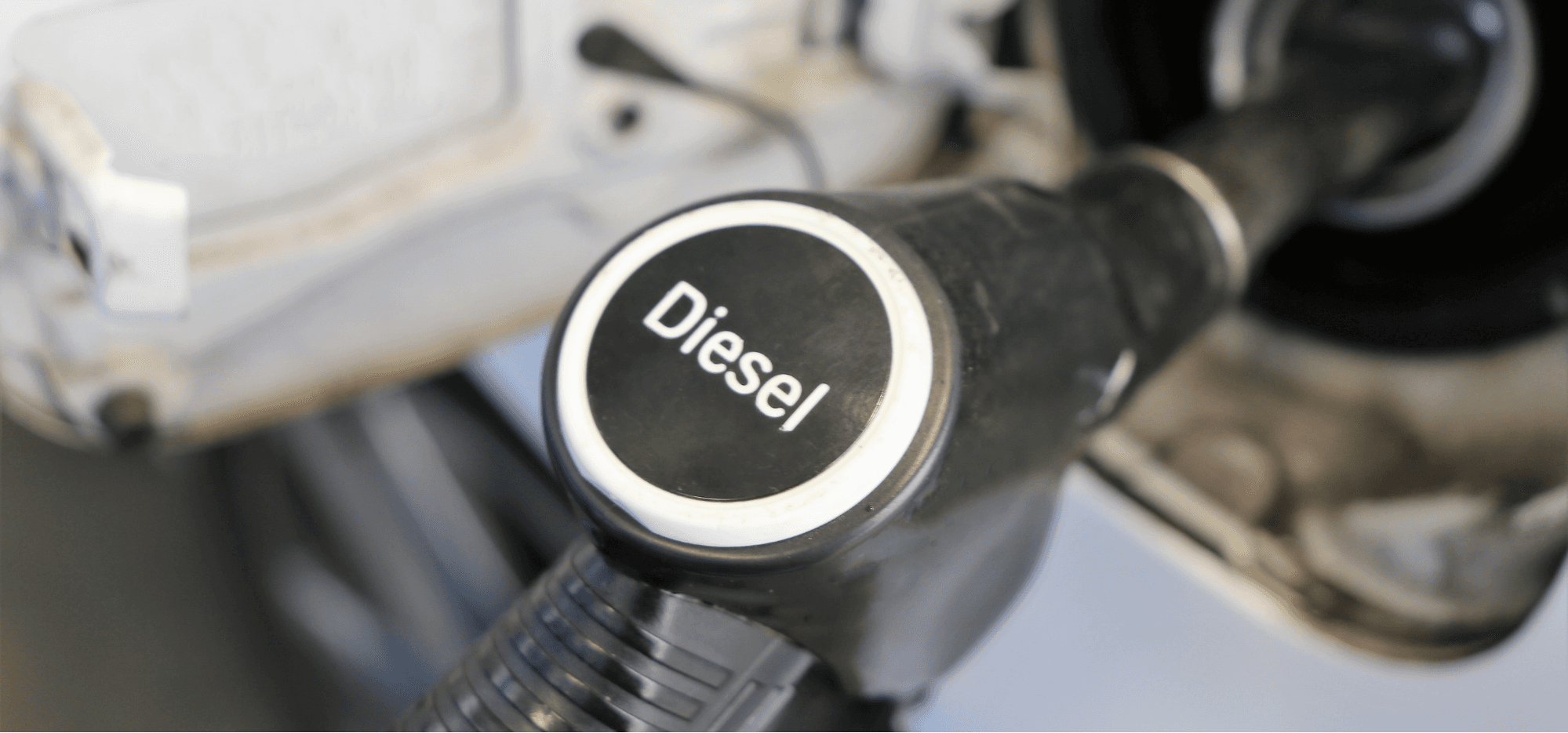
If you're wondering when diesel prices will go down, the honest answer is that nobody knows, and the analysts we read don't expect a quick drop. Diesel is above $6 a gallon, and that affects owner-operators directly and company drivers through fuel cards, surcharges and pay. This post covers where prices stand, what relief exists, and what to ask any carrier before you take a job.
1. Where prices stand
The EIA's national diesel average was $6.276 a gallon in its 19/10/26 report. The record is $6.53, set on 21/09/26. Before September, the national average had never gone above $5.816. A year ago it was $3.62.
California is the worst. It averaged $8.242, up $3.344 from October 2025. In an industry survey of over 3,000 people (ATRI, 18/10/26), fuel prices ranked as the top concern.
2. Why it may not drop fast
A professor quoted by Transport Topics said diesel is unlikely to fall below $5.50. Another economist pointed to the risk of more fighting around the Strait of Hormuz, and noted that a tanker needs about 40 days to deliver diesel, so any relief would be slow to show up at the pump.
One analyst warned prices could reach $7 if large-scale Middle East fighting returns. Treat that as a risk, not a forecast. Nobody knows, and we won't pretend to.
3. What relief actually exists
There's a lot of relief in the news, but most of it isn't aimed at an average OTR driver.
Hours-of-service waiver: FMCSA's emergency waiver covers drivers hauling gasoline, diesel, ethanol and some heating oil. It runs to mid-December. If you don't haul fuel, it doesn't apply to you.
Red-dyed diesel: Federal relief is in place, but OOIDA's president called it "minimal relief," and state rules still apply. See our red diesel post before you try it.
Harvest Fuel Relief Program: $8 billion in one-time payments to farmers. It's for farmers, not truckers.
State fuel tax breaks: Georgia and North Carolina paused gas and diesel taxes through 30/11/26. Indiana's break doesn't cover diesel.
4. What the freight market is saying
Here's the other side. Transportation capacity has shrunk for 10 straight months according to the Logistics Managers' Index, and the ATA's chief economist says shrinking capacity is "leading to a better market for motor carriers." Truck tonnage, though, was flat from a year ago, so demand isn't booming.
What does that mean for you? Carriers have some pricing leverage, but they're also paying more for fuel. How a carrier shares that pressure with its drivers is where your pay gets decided.
5. Questions to ask your carrier
Before you sign anywhere, ask these and get the answers in writing if you can:
Who pays for fuel, and how do fuel cards and discounts work?
Is there a fuel surcharge, and does any of it reach the driver?
How is pay figured: per mile, percentage or something else, and how does fuel play into it?
What happens to my settlement if diesel jumps again?
Are there restrictions on where I can fuel?
A good carrier will answer plainly. If the answers get vague, that tells you something.
Wrap-up:
Diesel might ease and it might not. You can't control the pump price, but you can ask the right questions before you commit to a job. Know how fuel costs are handled, and you won't be surprised on settlement day.
Ready to Get Matched With the Right Job?
It’s free, and it only takes a few minutes. Tell us what you’re looking for and we’ll find trucking companies that want a driver like you.