FEATURED RESOURCE
CDL Classes Explained: Class A vs. Class B vs. Class C
- Pay & Careers
- 3 min read
- October 26, 2026
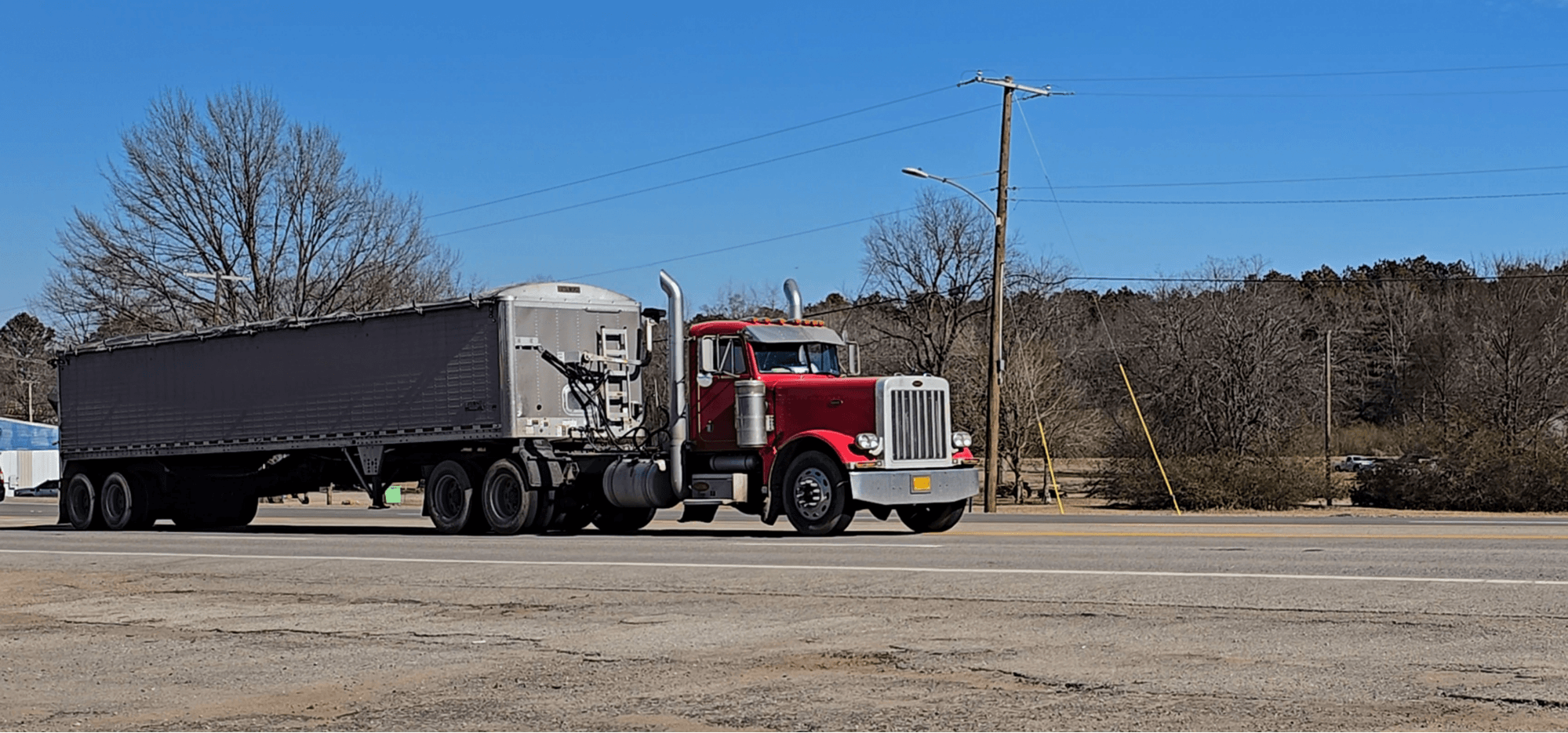
The class on your commercial driver's license decides which trucks you can legally drive, and that decides which jobs you can apply for. Choosing the wrong class before school can cost you time and money. Here is what each class means in plain terms.
The three CDL classes at a glance
CDLs are issued by states but follow federal standards set by the Federal Motor Carrier Safety Administration. There are three classes: A, B and C.
Class | What it covers | Common trucks and jobs |
|---|---|---|
A | Combination vehicles of 26,001+ lbs where the towed unit is over 10,000 lbs | Tractor-trailers (dry van, reefer, flatbed), tankers, car haulers, livestock |
B | Single vehicles of 26,001+ lbs, towing no more than 10,000 lbs | Straight trucks, box trucks, dump trucks, garbage trucks, city buses |
C | Vehicles not in A or B that carry 16+ people or placarded hazardous materials | Passenger vans, small hazmat vehicles |
Class A: the license for 18-wheelers
If you want to drive a semi truck pulling a trailer, you need Class A. It is the license behind most over-the-road, regional and dedicated trucking jobs.
A Class A license also lets you drive Class B and Class C vehicles, as long as you hold any required endorsements. A Class B covers Class C, but a Class C holder is limited to Class C vehicles.
Class A drivers made up the large majority of commercial license holders involved in reported truck and bus crashes in FMCSA data, which reflects how many of them are on the road. In 2023, 115,019 Class A drivers appeared in those records, compared with 18,243 Class B drivers.
Class B: local and vocational work
Class B covers heavy single-unit trucks. Many of these jobs are local, with drivers home every night, which is a strong draw for people who do not want long-haul life.
The trade-off is range. With a Class B, you cannot pull a semi-trailer, so moving into tractor-trailer work later means upgrading to Class A, which requires new federal entry-level training.
Class C: passengers and small hazmat loads
Class C is the narrowest license. It applies to vehicles under the Class A and B weights that are designed for 16 or more people, including the driver, or that haul hazardous materials requiring placards.
Which class should you choose?
Choose Class A if you want the widest job market, long-haul or regional work, or the option to move between freight types later. Choose Class B if you are sure you want local work, vocational trucks or buses, and want shorter, often cheaper training.
Training cost follows the same logic. Class A programs usually cost more than Class B because there is more to learn, including coupling and backing a trailer.
Age and license rules apply to every class
All classes require you to pass knowledge and skills tests, and federal rules require drivers to be at least 21 for interstate driving. Drivers aged 18 to 20 may drive only within their state, subject to state law.
States may add their own rules. Confirm with your state licensing agency before enrolling in training.
Key Takeaways
Class A is for tractor-trailers and opens the most trucking jobs.
Class A also covers Class B and C vehicles; Class C covers only Class C.
Class B suits local, vocational and bus work but cannot pull a semi-trailer.
Upgrading from B to A later means another round of federal training.
Pick your class based on the work you want, not on the cheapest school.
Ready to Get Matched With the Right Job?
It’s free, and it only takes a few minutes. Tell us what you’re looking for and we’ll find trucking companies that want a driver like you.