FEATURED RESOURCE
Can You Run Red Diesel in a Truck? What the IRS Relief Means
The federal government is easing off dyed diesel through the end of the year. Your state, your route and your fuel card still decide whether it's worth it.
- Driver Insights
- 4 min read
- October 15, 2026
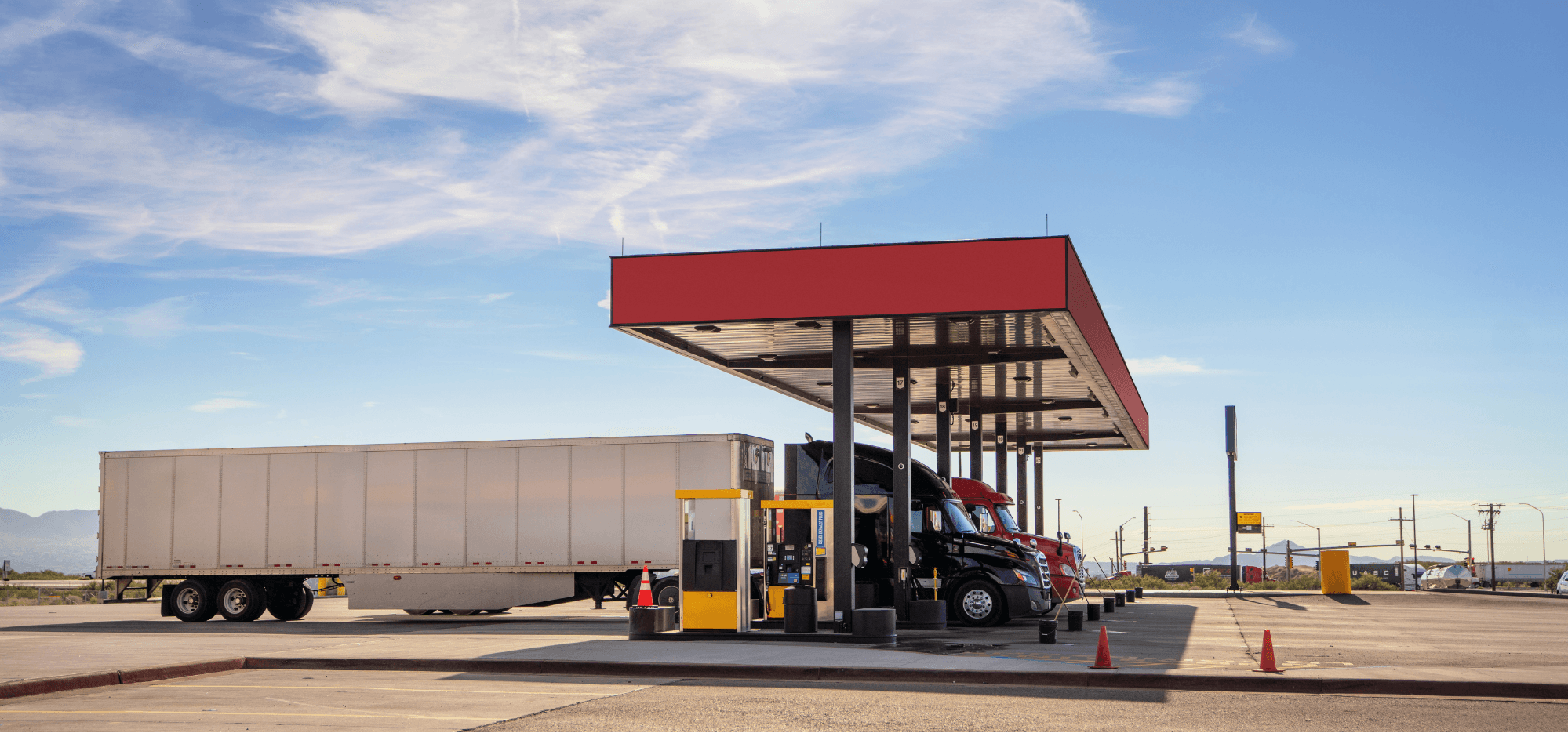
Diesel is sitting around $6.32 a gallon, so a headline about red diesel being okay on the highway gets your attention fast. You've probably seen it and wondered if you can just fill up with the cheaper stuff. Short answer: the IRS says it won't hit you with federal penalties for using dyed diesel on the road through 31/12/26. That's real. But it's not a free pass, and it doesn't change what your state or your engine thinks about it. Here's what the relief covers, where it stops, and what to check before you pull up to a red pump.
1. What the IRS actually said
On 14/10/26 the IRS put out a notice saying it won't impose federal penalties for dyed diesel sold or used on highways. It's backdated to 01/10/26 and runs through 31/12/26. It also covers penalties for missed semimonthly tax deposits and thin records.
This came after an executive order on 05/10/26 aimed at easing diesel costs. The IRS hasn't yet spelled out what happens with the postponed federal tax payments. More guidance is coming, so watch for it.
The federal tax on diesel is 24.4 cents a gallon. That's the amount you'd save by using dyed fuel, and it's the number to keep in your head.
2. Why your state still matters
The IRS relief is federal only. It doesn't touch state fuel taxes or state dyed-diesel rules. Overdrive reports that most states that loosened their rules did it for farm or timber use, not for regular trucking. At least 11 states have issued some kind of dyed-diesel relief, but you have to read what each one actually covers.
IFTA says dyed diesel can't be used broadly across the U.S. and Canada unless every member jurisdiction issues its own order. So an OTR run through several states is the tricky case. You might be fine in one state and get a citation in the next.
3. Is it even worth the savings?
Do the math with your own numbers. Overdrive used an example: a fleet fuel-card discount of 50 cents a gallon on 250 gallons saves $125. The federal relief on the same 250 gallons saves about $61 (250 × 24.4 cents). In that example the card wins by $64.
If you don't get a discount, the $61 looks better. If you already get a strong discount, switching may not help. It also depends on whether the state you're in lets you do it at all.
Some states have their own fuel tax breaks. North Carolina is at zero cents a gallon from 10/10/26 to 30/11/26, Georgia suspended its tax from 29/09/26 to 05/11/26, and Ohio has a near-zero rate from 04/10/26 to 02/01/27. Those might save you more without any dye risk. Confirm the details with the state before counting on them.
4. The dye doesn't wash out fast
Here's the part people forget. The source Overdrive quoted says red dye can stay in your fuel system for up to six months unless you flush it. So a roadside check could come after the federal relief ends and find dye in your tanks.
If you're leasing on or running for a carrier, talk to them first. It's their equipment and their insurance. Overdrive also covered engine and warranty concerns in a separate article, so look at that before you decide.
5. What's still unclear
Quite a bit. The IRS hasn't said how the postponed tax gets paid. It's also not fully clear how dyed fuel burned in states without relief will show up in your final tax bills. OOIDA called the executive order "minimal relief" and said the market needs broader stability.
So what do you do? Check with your carrier, your fuel-tax preparer and the state agencies on your route. Don't take advice from a post on the internet, including this one, as the final word on your own situation.
Wrap-up
Red diesel relief is real on the federal side and limited everywhere else. For most OTR drivers crossing state lines, the safest move is probably the same as before: use the fuel your carrier and your state say is legal, and look for savings in your fuel card and your route.
And since fuel is eating into everyone's settlement right now, it's worth asking any carrier you talk to how they handle fuel cards and fuel costs before you sign on.
Ready to Get Matched With the Right Job?
It’s free, and it only takes a few minutes. Tell us what you’re looking for and we’ll find trucking companies that want a driver like you.